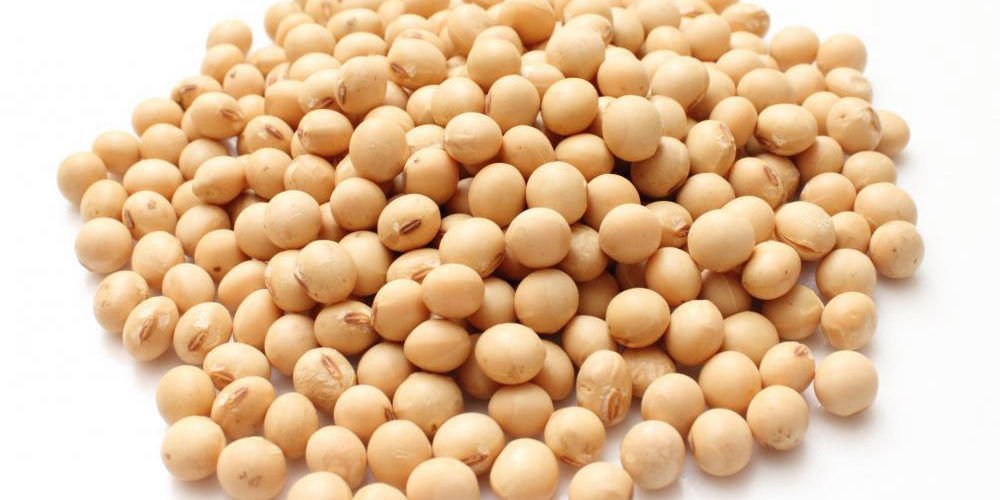
Supply Capacity: 5000 - 25,000 tons
Product Origin: Kenya
Availability : Fresh Crop
GMO Soybeans: $480 – $520 USD/MT (FOB)
Non-GMO Soybeans: $540 – $590 USD/MT (FOB)
Bulk Discounts: Yes, up to 10% for 5,000 MT+
Delivery Terms: FOB / CIF / CNF
Minimum Order: 25 MT
Delivery Time: 14–21 days (depending on destination)
Types Available: GMO & Non-GMO
Grade: Human Consumption / Feed Grade
WhatsApp: +254 771 499 629

Food-Grade Soybeans – For tofu, soymilk, flour.
Feed-Grade Soybeans – For poultry, cattle, and aquaculture.
Soybean Hulls and Meal – Available upon request.
• High Protein & Moisture-Controlled: 12-14% moisture, high protein content (minimum 35%)
• Bulk Quantities: 20ft/40ft containers, 50kg polypropylene bags or bulk loose
• GMO & Non-GMO Options: Verified and documented
• Origin & Certifications: SGS, Phytosanitary, and Fumigation Certificates provided
• Reliable Global Delivery: CIF, FOB, and EXW shipping terms available
China
Vietnam
Indonesia
Egypt
Saudi Arabia
UAE
Turkey
India
Pakistan
Netherlands
Africa
Austrialia
USA
Europe
Canada
Soybean quality control involves rigorous physical, chemical, and nutritional testing. Key grade-determining factors include moisture content (13% standard), foreign material, test weight, and seed damage. For processed products like meal, processors test for Protein Dispersibility Index (PDI) and Urease Activity to ensure the right balance of heat treatment.Strict adherence to quality metrics dictates the marketability, processing yield, and safety of soybeans. The quality control process is multi-faceted and heavily governed by national and international standards:
SHELF-LEFT: 24 month, under proper storage conditions
SUPER-CLEANED: All of our bulk soybeans are triple-cleaned to ensure purity and protect your grain mill from any foreign objects. (Soybeans that aren’t sufficiently cleaned may contain small stones that will damage or destroy a grain mill… not to mention that you don’t want such things in your food!)
NON-GMO: We guarantee the supply of whole food products which are natural (non-GMO). Also, We do not sell any grains, beans, lentils, pulses or seeds sourced from worldwide.
• COMMODITY: SOYA BEANS
• GMO or NON-GMO (GMO also available)
• TYPE Fit For Human Consumption
• OIL CONTENT 18.5% Basis, 18.05 Minimum
• MOISTURE: 12 - 14% Maximum
• MAX SPLITS: 20%
• PROTEIN: Min 35%
• MAX COLOR 2%
• HUSKS No Husks
• TEST WEIGHT 54 Pounds/Min/Bushel
• TOTAL DAMAGED KERNELS 3% Max
• FOREIGN MATTER 2%
• HEAT DAMAGED KERNELS 0.5% Maximum
• MAX RADIATION Normal
50kg new woven bags.
Bulk in 20ft or 40ft containers and open deck.
Ports: Mombasa, Kenya.
Delivery Time: 15–25 days depending on destination.
• Contact us with quantity, Company name, Representative names, Phone numbers, destination port, and grade preference.
• Receive a detailed Pro Forma Invoice and shipping timeline
• Confirm with 40% advance T/T payment
• Balance due after shipping documents are issued (scanned copies)
• Receive original documents via DHL for customs clearance
“Request a Proforma Invoice”
“Contact Our Sales Team”
“Get Today’s Soybean Price”
Soybeans are processed into soybean oil and meal, which serve as highly renewable, sustainable replacements for petroleum in manufacturing. Key industrial applications include biofuels (biodiesel and renewable diesel), eco-friendly wood adhesives, paints and printing inks, PFAS-free firefighting foams, and rubber for tires.Soybeans provide a versatile, bio-based alternative to fossil fuels and toxic chemicals, making products safer for the environment while supporting local agriculture. Their widespread industrial uses include:Biofuels: Soybean oil is refined into biodiesel and renewable diesel, providing cleaner-burning, low-carbon fuels that significantly reduce greenhouse gas emissions compared to petroleum.Wood Adhesives & Composites: Soy flour and proteins replace toxic, formaldehyde-based resins in manufactured wood products like plywood and particleboard, which are extensively used in furniture and construction.Coatings, Paints & Inks: Soy-based alkyd resins allow for the production of low-VOC (Volatile Organic Compound) paints. Additionally, soy ink is widely used in newspapers and packaging as a biodegradable, non-toxic alternative to petroleum inks.Firefighting Foams: Specialized soy-based foams (such as SoyFoam) serve as highly effective alternatives to conventional firefighting foams that contain toxic PFAS "forever chemicals".Rubber and Plastics: Major tire manufacturers incorporate soybean oil to replace petroleum oils, which improves rubber flexibility in cold weather. Polyols derived from soybean oil are also used to manufacture flexible and rigid foams for automotive interiors, footwear, and insulation.Industrial Lubricants: High oleic soybean oil is engineered into hydraulic fluids, grease, and motor oils, offering biodegradable and non-toxic lubrication for machinery.
Store soybeans at ≤ 13% moisture for winter, and dry to ≤ 11% for summer. Aerate to cool them uniformly to 30-40°F in winter and maintain 40-60°F in summer. Monitor the grain's temperature and moisture weekly, coring the bin to remove broken fines where mold starts.
Storage Parameters Content: Soybeans contain high oil content and spoil much faster than corn; they should ideally be 2 - 3 percentage points drier than corn for the same storage period.
Short-term/Winter Note:
If your soybeans contain green beans or harvest damage, dry them an additional 2 points lower.
Temperature Control: The goal is to keep the beans cool to prevent internal moisture migration, mold, and insect activity.
Spring/Summer: Maintain bin temperatures at 40 - 60°F. Cover all fans and openings when not in use to prevent warm, humid air from entering.
Handling and Management Fragility: Soybeans are highly fragile and susceptible to seed coat cracking and shatter losses. Handle them gently and avoid using overly dry, aggressive heated air during the drying process.
Sanitation: Before loading, clean out your grain bins and handling equipment completely to eliminate carryover pests and early mold infestation.
Coring: Level the grain bin immediately after harvest, and core out the center to remove the concentration of broken pods, dirt, and foreign material (fines) where spoilage typically begins.
Monitoring Schedule Because of their susceptibility to spoilage, check your bins regularly to track temperature changes, condensation, and insect activity.
Fall: Every week until the grain is cooled down to winter temps.
Winter: Every 2 weeks.Spring/Summer: Every week.
Soybeans are a primary protein source for livestock globally. After oil extraction, soybean meal is processed into feed for poultry, swine, cattle, and aquaculture. It is highly digestible and provides the essential amino acids necessary for muscle development, milk yield, and egg production.
Soybeans are tailored to various animal feed applications based on the required protein content, digestibility, and specific animal needs:
Poultry Feed: Makes up the largest share of soybean meal consumption. It is crucial for broilers and laying hens because its amino acid profile supports rapid muscle growth and high egg production with minimal supplementation.
Swine Feed: Pigs require a high-protein diet (typically 15-20% soybean meal) for optimal growth and meat quality.
Dairy and Beef Cattle: Roasted soybeans or soybean meal provide bypass protein, which helps balance amino acid profiles and drives higher milk yields and weight gain.
Aquaculture: Soybean meal is widely utilized as a sustainable alternative to fishmeal to promote healthy growth and disease resistance in farmed fish and shrimp.
Byproducts: Soybean hulls, lecithin, and soapstocks are also utilized to add energy, improve pellet quality, and act as emulsifiers in feed mixes.
Soybeans are incredibly versatile in human diets, serving as a primary source of complete plant protein, dietary fiber, and healthy oils. They are consumed directly as whole foods, processed into dairy and meat alternatives, and utilized as functional ingredients (like lecithin and soy flour) in a vast array of commercial products.The main human food applications of soybeans fall into a few key categories:1. Traditional Soy FoodsEdamame: Young, green soybeans often steamed and eaten as a snack or appetizer.
Tofu: A cheese-like block made by curdling soy milk; a staple center-of-the-plate protein and meat substitute.
Soymilk: A liquid extract from whole soybeans, acting as a popular dairy alternative.
Fermented Foods: Includes Tempeh (fermented whole soy pressed into a cake), Miso (a rich paste used in soups), Natto (fermented sticky beans), and Soy Sauce.